What They Don’t Want You to See — A Brutal Breakdown of Chase Hughes on Dr. Phil/

What They Don’t Want You to See — A Brutal Breakdown of Chase Hughes on Dr. Phil

You tuned in thinking this was a talk show. You got a verdict.
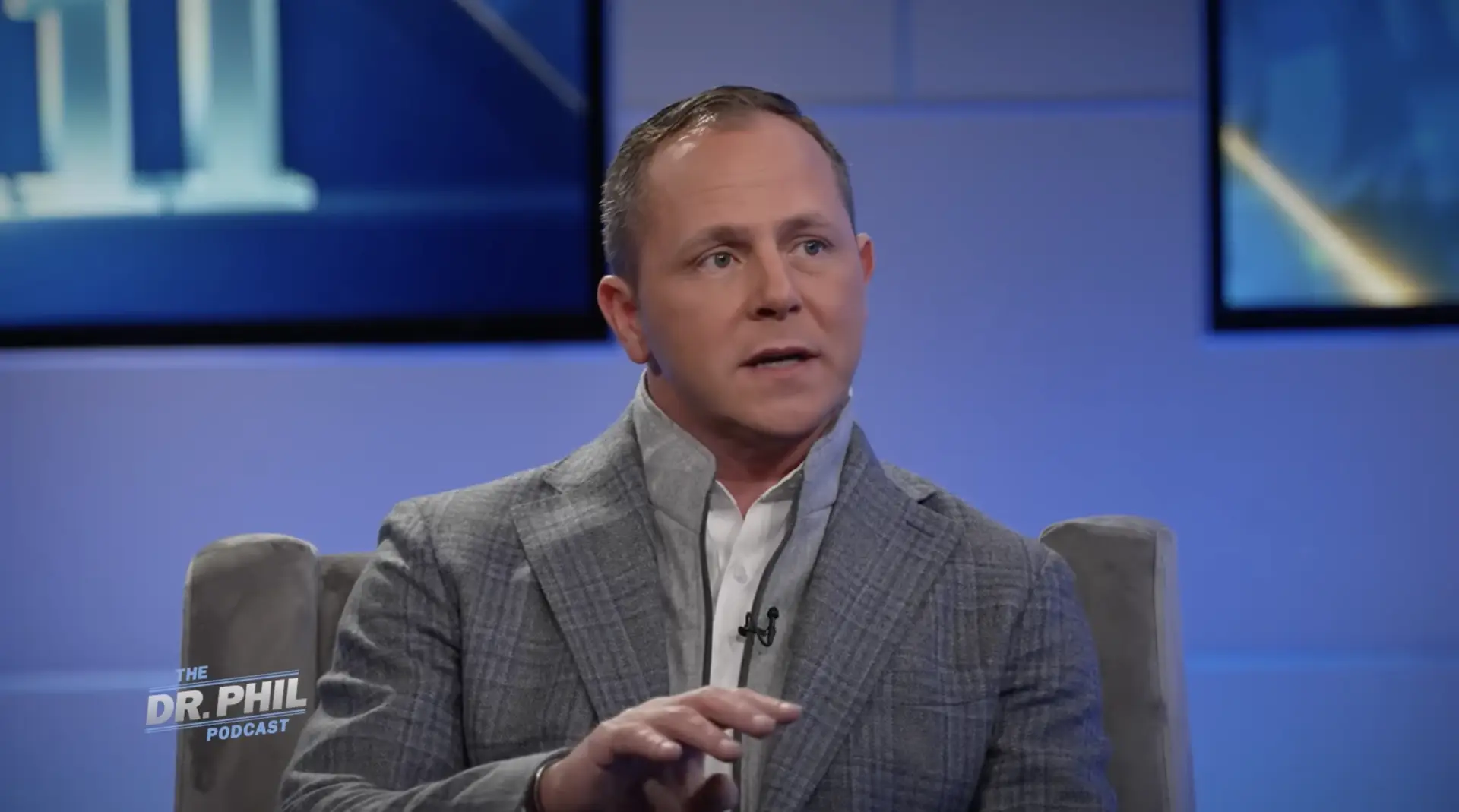
That’s not an accident. It’s the design. When Chase Hughes sat down under the lights of Dr. Phil’s stage, he wasn’t supposed to show weakness, he was supposed to show fear. He dropped a bomb. He didn’t just talk persuasion tactics or “body-language secrets.” He exposed the invisible framework: how narratives are weaponized, how tribalism is manufactured, how you — yes you — are being rewired every day.
If you’re still breathing easy after watching? Good. This article isn’t for you. This is for the ones just waking up.
Who is Chase Hughes and Why Should You Even Care?
Chase Hughes calls himself a “behavior and influence strategist.” His whole bag: reading people, decoding persuasion, studying how beliefs get formed or forced. In interviews (on Dr. Phil, on podcasts), he doesn’t sell magic tricks — he sells context. And when you understand context, you stop being the mark.

In one podcast he laid it plain:
“I can falsify a tribe around you… that says, 'oh, this is all happening right now.'

Translation: they don’t need a million people to agree. They just need enough noise to make you believe there are a million. Enough engineered social pressure to make your brain blink.

He said that our brains “are not capable of overcoming this technology,” because “technology has outpaced our brain’s ability to adapt to it.” That’s the baseline. Not some conspiracy board full of red strings. Just plain math: Rapid digital transformation + human brains wired for tribal thinking = automated conformity.

What Happened on Dr. Phil — and Why It Matters

The Dr. Phil format isn’t about nuance. It’s about verdicts. So when Chase tried to trace the machinery of influence… when he tried to expose the system, he was asked to blink and shrink. To fit. To follow the story. To give blame. Instead, he refused. He stayed on point: “This isn’t about individuals; it’s about the machine.” That’s the kind of refusal that gets you labeled messy. Unstable. Dangerous.

But the show was the perfect illustration of the thesis he was trying to prove. What you witnessed wasn’t a debate. It was a demonstration.

Because every time he tried to zoom out to show the patterns, the framing yanked him back into a personal “problem.” Every time he pointed at structures, the audience recoiled. They instinctively demanded a scapegoat. A villain. A confession.

And when he couldn’t deliver that — well, the show didn’t end because of his words. It ended because of their need for certainty over complexity.

See: society doesn’t reward discomfort. It denies it. Masks it. Blames the messenger.

Chase didn’t fail. The format succeeded.

What He Actually Said. The Dangerous Truths.
From his non-Dr. Phil appearances, Hughes has been more explicit and dangerous, if you care about truth.
  • On tribal manipulation: “I can falsify a tribe around you … and if your identity is already there, then that automatically makes sense.”  
  • On mismatch between brain and tech:  “Our brains are not capable of overcoming this technology.” 
He warns that modern media and social platforms function as psy-ops factories, not by brute force… but by subtle context shifts, repeated messaging, and identity-based pressure.

Once your perception is hijacked, facts don’t matter.
Belief does. Narrative does. Emotion does.

Why This Is a Big Deal — Especially for Multipotentialites & Thinkers

If you’re someone who juggles ideas, questions the norm, plays outside tribal boundaries, welcome to the target list.

The machinery doesn’t need to stop you from thinking. It just needs to make you doubt your thinking. Normalize discomfort as “paranoia.” Label nuance as “dangerous.”

You start second-guessing everything. Your own instincts. Your gut. Your thoughts. And suddenly... unnoticeably, you begin to self-censor. Avoid the hard questions. Seek comfort in the shallow “collective.”

That’s how true control works these days. Not with chains. With whispers.

The Trap Isn’t Outside... It’s Inside You

You don’t need algorithms to trap you. You need dependency on approval. On tribe. On certainty.

Because certainty is a drug. Approval is a pill. And every time you swallow, you dull a little more.

Chase didn’t go on Dr. Phil to get famous. He went on to fight for mental sovereignty. And from the looks of it, Dr. Phil seems to agree.

So What You Do from Here Matters
  • Question your reaction before you accept the story. Your emotional spike isn’t truth — it’s a trap door.
  • Avoid the reflex “everyone’s doing it” comfort. Popular doesn’t mean correct. Consensus doesn’t mean sanity.
  • Reconnect with your own rhythm.  Depth doesn’t trend. But it lasts.
  • When you hear stories that purport to be the truth, always add “Maybe” to the message.

Because once you step out of the frame, the trap doesn’t disappear. The trap forgets you. But you remember yourself.

Watch the full interview
Tags:

Leave a Comment

Your email address will not be published.Required fields are marked *

A little bit about me

Trap Think Media

I dissect the stories we tell ourselves and expose the patterns that keep us stuck. Trap Think exists to challenge false certainty and shake loose what you think you know.
Social Network
53K
51K
14K
TrapThink is on YouTube.
Explore my Instagram
Newsletter
Subscribe my newsletter to get the latest posts delivered right to your email.
Related Post