YOU NEED TO READ THIS HEADLINE: Clickbait Is Grooming Your Brain/

YOU NEED TO READ THIS HEADLINE: Clickbait Is Grooming Your Brain

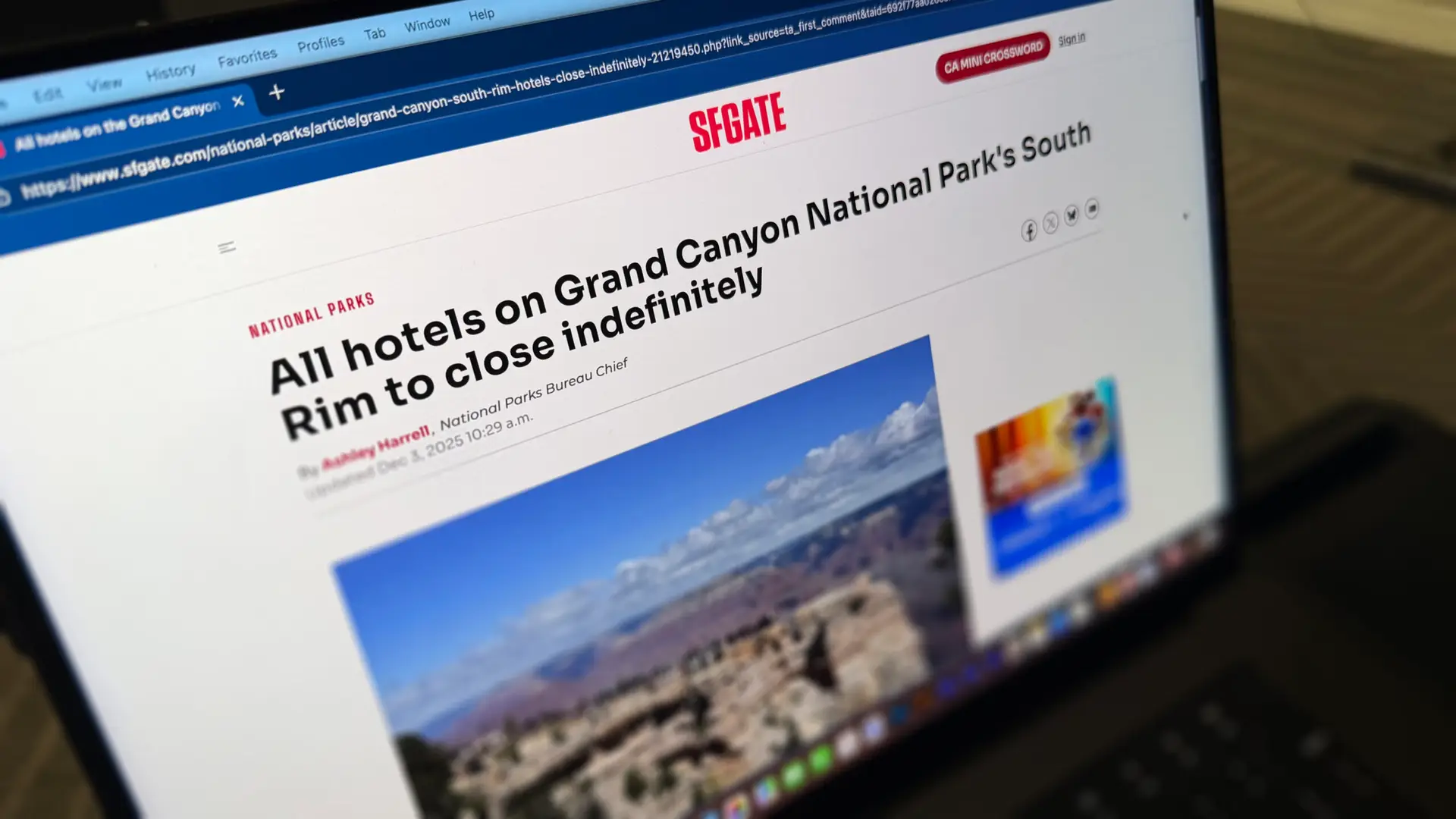
“All hotels on Grand Canyon South Rim to close indefinitely.”

That headline hits like a gut punch. Your pulse spikes. Anxiety flares. Your brain says: We need to know more — now. Then they quietly fix it to: “temporarily.” No apology. No alert. Just … a soft edit. But the dopamine already landed. The fear already played. You already reacted.

Now you’re scrolling for the follow-up... haunted by a sensation that didn’t belong to you.

Welcome to modern storytelling.

Why That Grand Canyon Headline Wasn’t a Mistake... It Was a Gun.

It wasn’t a typo.

It wasn’t even laziness.

It was strategy.

That kind of headline is a fast-acting chemical. It doesn’t deliver information. It injects urgency. Creates panic. Forces a click. Once you click… that is the reaction. The job is done.

They don’t care if the story changes. Because your reaction already seeded. That’s the essence of Clickbait: promise chaos, sell clicks, harvest attention. You’re not reading the news.

You’re reading a shock-therapy session.

Headline (or Format)

What it Does.

“You Won’t Believe What This Celebrity Did!”

Leverages curiosity + social envy — you click to avoid missing the “truth”.

“This One Weird Trick Doctors Hate” (or similar “miracle cure” headlines)

Promises a loophole to fear or insecurity — often sells nothing but ads.

“10 Hacks You Need to Stay Healthy This Winter” / listicle-style clickbait

Gives an illusion of easy self-improvement while capitalizing on your insecurities.

“The Perfect X Doesn’t Exi-” / “The Perfect ___ Doesn’t Exist — Until Now”

Plays on existential longing — hooks you with promise of perfection, delivers generic fluff or ads.

“He dragged his plate across the pool. What happened next blew my mind.” (Sensational food / shock headlines)

Relies on shock and weirdness to make you click — often about trivial or fake stories.

“Latest FDA Warning: You’re Doing This Wrong.” (or health-scare headlines)

Exploits fear and authority distrust — you click to “protect yourself,” even if claim is false or exaggerated.

“Your Bank Might Close Unless You Act Now” / financial-panic tactics

Creates urgency, fear of loss — grabs attention from people’s worst anxieties. (common in ads / scam-adjacent content).

“Elon Musk DESTROYS woke activist in viral exchange” / outrage-bait headlines

Thrives on polarization and rage — feeds tribal instincts, primes you for outrage rather than understanding.

These are not fringe.

They are the standard weapons in a mainstream war for your attention.

Why Clickbait Is Worse Than You Think... It’s Psychological Conditioning
  • It rewires your trigger system. Headlines become Pavlovian bells: click → anxiety → dopamine → repeat. Each shock rewires you a little more. That’s not news consumption — that’s conditioning. 
  • It cheapens your thresholds. What used to upset you becomes “just another article.” What used to matter fades to white noise. Overreaction becomes your baseline.
  • It trains you for extremes — not nuance. Calm doesn’t convert. Subtlety doesn’t trend. If your worldview is shaped by constant extremes, you lose context. You lose balance.
Clickbait doesn’t change what you believe. It changes how you believe. And once belief is broken... truth becomes optional.
How To Reclaim Your Brain: The Trap Think Anti-Clickbait Move
  1. React slowly. When a headline hits you — take three deep breaths. Ask: Is this information? Or a trigger?
  2. Ignore the headline first — read the first 300–400 words. Most of the time, the emotional bait is in the title, not the content.
  3. Train yourself to spot the formats: “You Won’t Believe…,” “This One Trick,” “X Hacks,” “Shocking Truth,” etc. If it smells like fear-bait or envy-bait, treat it as spam. 
  4. When possible — skip the headline altogether. Let someone else skim the title. You read the content. Protect your emotional baseline.
Because ultimately... they don’t want readers. They want reactions. Read that again! You are not a reader, you are a number.
Conclusion:   Clickbait Is Not a Bug. It’s a Feature!

That Grand Canyon headline wasn’t sloppy. It was surgical. Clickbait isn’t an accidental side-effect of media. It’s the business model. The oxygen. The way they stay alive.

If you stay on that feeding trough, your mind gets malnourished. Distrust becomes your drug. Fear becomes your forecast. And truth becomes the ghost you think you remember.

You can walk away anytime. But to do that, you have to admit you were on the hook.

And that’s step one.

Tags:

Leave a Comment

Your email address will not be published.Required fields are marked *

A little bit about Trap Think

Trap Think Media

I dissect the stories we tell ourselves and expose the patterns that keep us stuck. Trap Think exists to challenge false certainty and shake loose what you think you know.
Social Network
53K
51K
14K
TrapThink is on YouTube.
Categories

19+

Newsletter
Subscribe my newsletter to get the latest posts delivered right to your email.
Related Post