How modern thinking is shaped, captured, and quietly directed
Most people don’t arrive at their beliefs through careful reasoning. They arrive at them gradually, passively, and with great confidence. By the time a belief feels urgent… something worth defending, arguing over, or sacrificing relationships for… it has already passed through language, repetition, and emotional framing. It feels personal. It feels earned. That’s the trick.
TrapThink exists because this process has accelerated beyond recognition.
We live inside a reality that is too complex to experience directly, so we rely on stories to simplify it for us. That alone isn’t the problem. The problem is who controls those stories, how they are reinforced, and why certain interpretations become mandatory while others are treated as dangerous.
Walter Lippmann saw this coming a century ago when he wrote that the real environment is “too big, too complex, and too fleeting” for direct understanding. What we interact with instead is a constructed version of reality—one that fits neatly into narratives, headlines, and moral binaries. That construction is now industrialized.
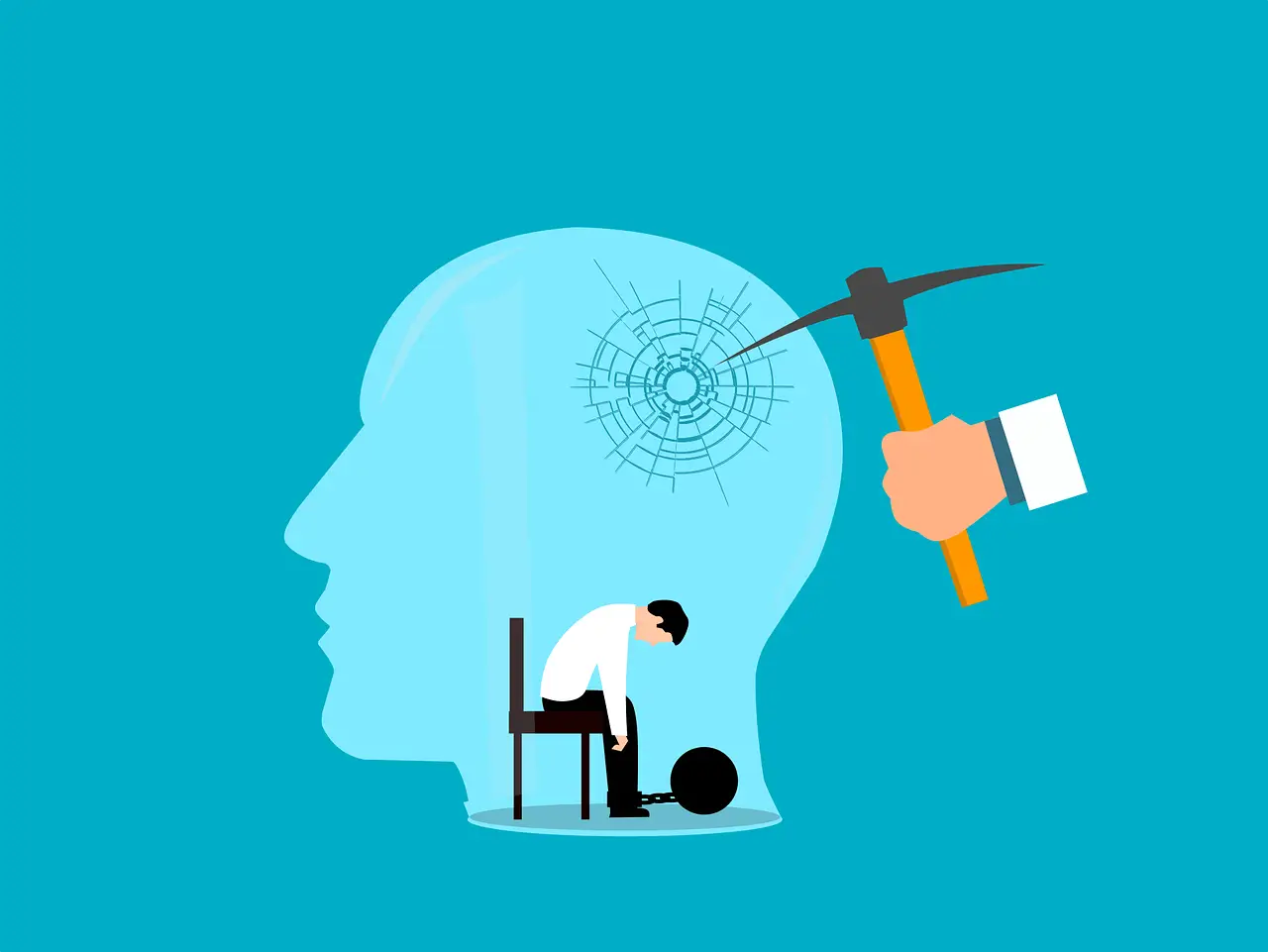
The first trap is believing you chose this worldview on your own.
What TrapThink refers to as The Machine is not a secret cabal or a shadowy conspiracy. It’s an ecosystem. Media institutions, social platforms, political power, and economic incentives form a closed loop that rewards predictability, emotional engagement, and narrative compliance. Truth is useful only when it serves those goals.
Outrage performs better than nuance. Fear holds attention longer than context. Conflict sustains engagement in a way resolution never could. This isn’t speculation, it’s measurable. Studies show that false or emotionally charged information spreads faster than accurate reporting. Internal documents from social media companies have confirmed what many suspected: divisive content is amplified because it works.
The Machine doesn’t require you to be informed. It requires you to be reactive.
A calm population doesn’t click.
A reflective population doesn’t panic.
A unified population is difficult to steer.
This is why the mainstream media can be technically correct and still fundamentally misleading. Facts are rarely fabricated outright; they’re framed, selected, repeated, and emotionally weighted. Some stories dominate entire news cycles. Others disappear without explanation. Context is optional. History is selectively recalled. Certain questions are framed as immoral before they’re even asked.
George Orwell warned that the destruction of understanding doesn’t begin with censorship, but with the erasure of context. When people lose the ability to place events within a larger historical or structural framework, they become dependent on whoever supplies the interpretation.
That dependency is profitable.
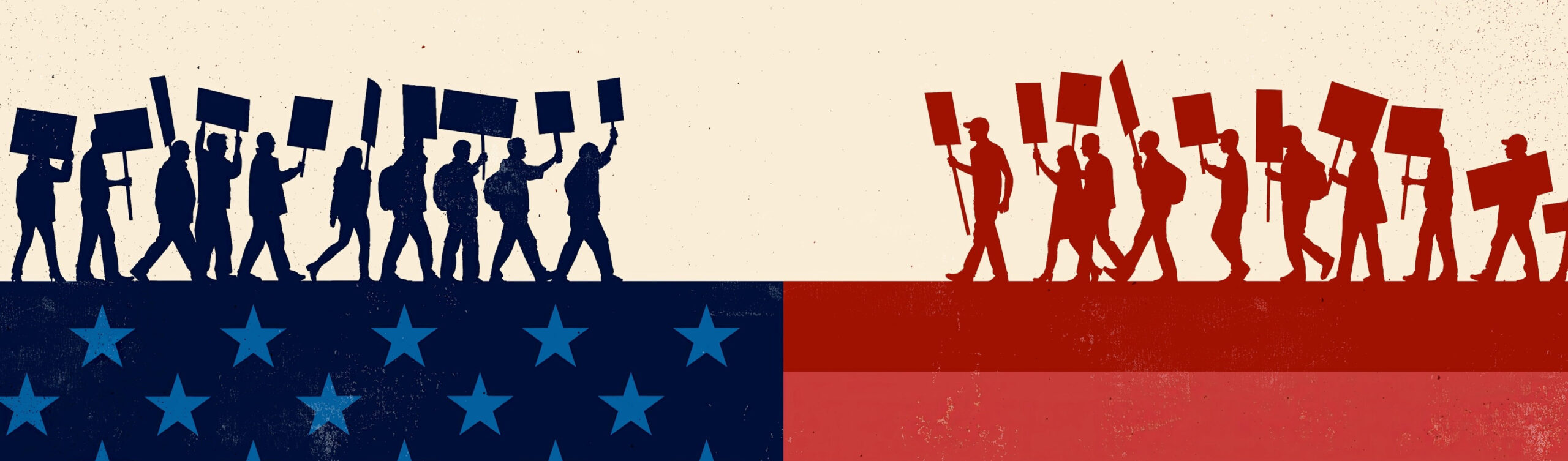
Tribalism
When people are overwhelmed, they look for shortcuts. Tribal identity provides one.
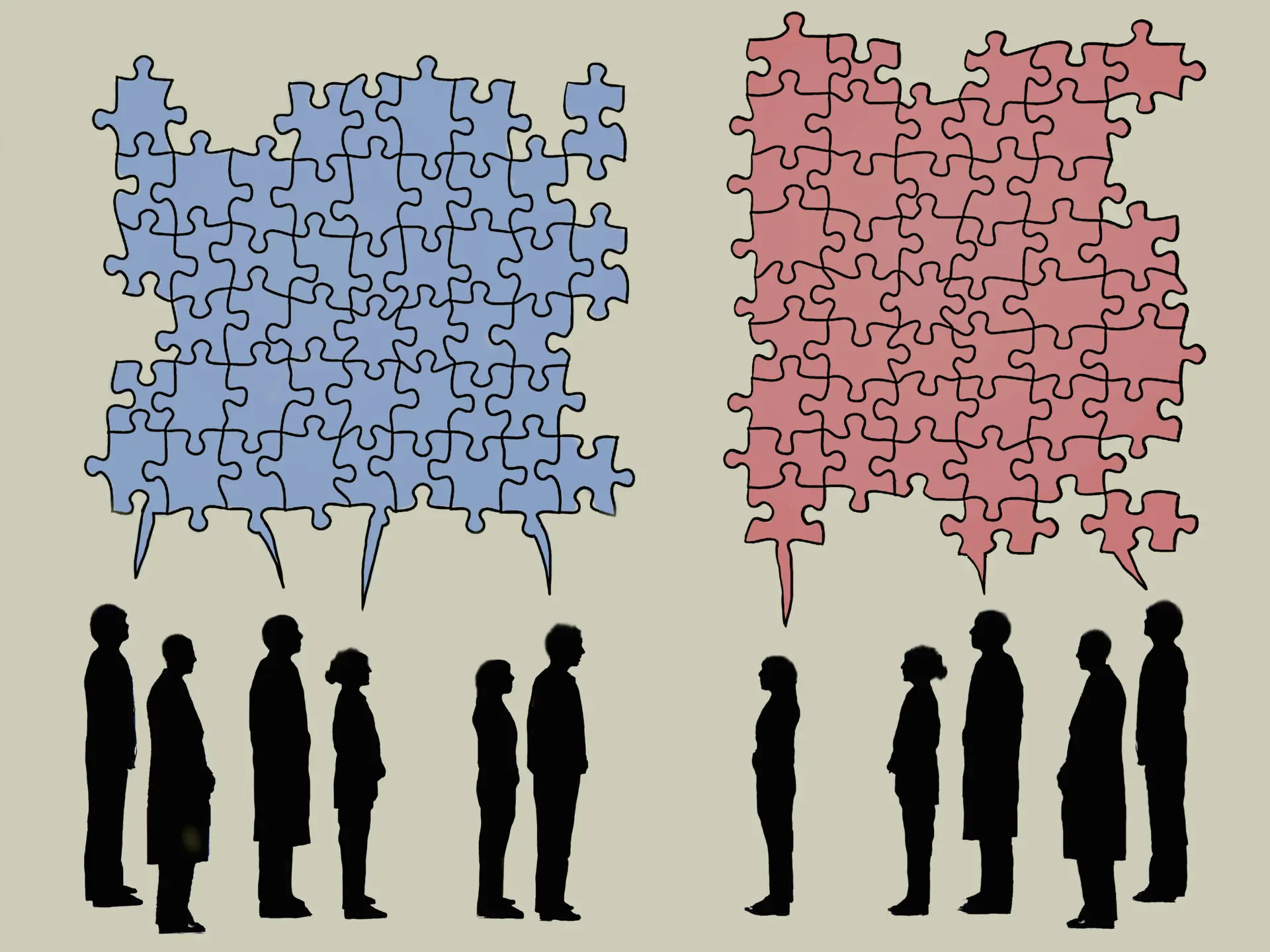
Tribes simplify reality by dividing it into “us” and “them.” They offer belonging, certainty, and moral clarity at the cost of independent thought. Once you accept a tribal identity, beliefs no longer need to be examined… they need to be defended. Dissent becomes betrayal. Nuance becomes weakness.
This is why tribalism spreads so easily in digital environments. It replaces the difficult work of thinking with the comforting work of loyalty. You no longer ask whether something is true; you ask whether it aligns. You stop saying, “What’s happening?” and start saying, “Whose side are you on?”
TrapThink rejects tribal allegiance entirely. Not because community is bad, but because unexamined loyalty is dangerous. A tribe doesn’t ask you to think. It asks you to protect the narrative.
Some of the most effective traps don’t look like manipulation at all. They look like wisdom.
Ideas like “everything in moderation,” “trust the experts,” or “just follow your passion” are treated as cultural gospel. They sound reasonable. Kind, even. But many of these ideas function as sedatives rather than guides. They reduce discomfort without increasing understanding. They discourage depth, urgency, and responsibility.
Comfort becomes the highest value. Balance becomes a substitute for direction. Deference replaces discernment.
Nietzsche warned that convictions — especially comforting ones — are often more dangerous to truth than lies. Lies provoke resistance. Convictions settle in quietly and go unchallenged.
TrapThink exists to disturb those comforts, not out of cruelty, but necessity.
Don’t Fall into Cynicism
There’s a temptation, once these patterns become visible, to fall into cynicism. To conclude that everything is fake, every institution corrupt, every narrative dishonest. That, too, is a trap.
Reality still exists. Evidence still matters. Not everything is manipulation. The goal isn’t disbelief… it’s discernment. TrapThink focuses on incentives rather than intentions, patterns rather than anecdotes, systems rather than personalities. It asks how ideas spread, why certain frames dominate, and what alternatives are never presented.
Understanding doesn’t require paranoia. It requires patience.
This is where Reality Checks live: not to react to headlines, but to slow them down long enough to see what’s being emphasized, omitted, or assumed.
Not every observation needs to be polished into an essay. Some patterns appear suddenly—shifts in language, synchronized outrage, identical talking points appearing across platforms at once. Field Notes exist to capture those moments before they’re normalized. They’re intentionally raw, observational, and immediate. Think of them as a running log of narrative formation in real time.
TrapThink isn’t here to replace one ideology with another. It isn’t asking for agreement, loyalty, or belief. It doesn’t offer certainty or answers neatly wrapped in moral clarity. It asks better questions, and asks them at the moment you’re least encouraged to do so.
If something here makes you uncomfortable, defensive, or irritated, that reaction is part of the process. It doesn’t mean you’re wrong. It means you’ve touched a belief that matters to you. The goal isn’t escape from society. It’s conscious participation.
Once you understand how narratives are built, how tribes form, how outrage is engineered, and how comfort pacifies, the trap doesn’t disappear—but it loses its grip. You gain leverage. Not superiority. Agency.
The moment you see the trap, it stops working the same way.
Where to Go Next
If this resonated, don’t rush. TrapThink isn’t meant to be consumed—it’s meant to be metabolized.
Start where the pressure feels most relevant:
This isn’t content. It’s orientation.